The Functions of the Mind
Today we are going to explore a foundational concept within Neuro-Linguistic Programming: the functions of the mind. NLP teaches us that the mind is not a single, unified entity operating in a straight line. Instead, it is an interconnected system that filters, organises, and responds to the world through patterns — mental, emotional, linguistic, and behavioural.
Understanding these functions gives us increased control. When we understand how the mind works, we gain more influence over what it produces. This understanding is essential for personal development, coaching, therapy, and behavioural change.
We will explore four primary functions of the mind according to NLP thinking:
The Conscious Mind
The Unconscious Mind
The Critical Faculty
The Filtering System — Delete, Distort, and Generalise
Each of these functions influences our performance, communication, emotional responses, and decisions.
THE CONSCIOUS MIND
The conscious mind is what most people believe is “the mind.” It is the part responsible for logic, reasoning, decision-making, willpower, analysis, and short-term focus. However, NLP views the conscious mind as only a small part of our mental capacity.
The conscious mind is what you are using right now to follow this talk. It is linear. It processes information one piece at a time. It allows you to plan, evaluate, and set intentions. But it is also limited.
Research and NLP modelling suggest that the conscious mind can process around 7±2 pieces of information at once. Anything beyond that is overwhelming, and gets pushed down to the unconscious.
Most importantly, the conscious mind sets goals — but it does not have the power to carry them out consistently. That is the responsibility of the unconscious mind.
THE UNCONSCIOUS MIND
The unconscious mind is where the real power lies. NLP considers the unconscious mind to be the storehouse of:
Emotions
Habits
Long-term memories
Automatic behaviours
Beliefs
Identity-level patterns
Internal representations
Body regulation
Creativity and intuition
The unconscious mind handles millions of processes simultaneously. It runs your breathing, your posture, your muscle tension, your heartbeat. It also stores emotional associations and triggers that were formed long before you became consciously aware of them.
In NLP, the unconscious mind has several key functions:
1. It Preserves the Body
It runs survival programs, fight-or-flight, and behavioural shortcuts that keep you safe.
2. It Stores and Organises Memories
It does not store memories randomly. It stores them by emotional intensity and connection, meaning memories that carry a strong charge influence behaviour the most.
3. It Generates Habits
Whatever we repeat — consciously or unconsciously — becomes a habit. The unconscious automates behaviours to conserve energy.
4. It Controls Behaviour
All behaviour is unconscious at the moment it happens. Even what feels like a conscious choice is influenced by unconscious patterns, beliefs, values, and internal states.
5. It Responds to Imagery and Emotion
The unconscious does not think in words. It thinks in pictures, sounds, sensations, and emotional associations. This is the foundation of NLP interventions — we change internal representations to change behavioural outcomes.
6. It Executes What the Conscious Mind Suggests
Your conscious mind can set a goal, but your unconscious must accept and integrate it. If the unconscious mind perceives that a goal is unsafe, unrealistic, or misaligned with identity, it will sabotage the behaviour.
This is why people know what to do logically but fail to do it consistently. It is not a lack of motivation. It is a conflict between conscious intention and unconscious programming.
THE CRITICAL FACULTY
The critical faculty is the mental “gatekeeper” between the conscious and unconscious mind. It filters new information and decides whether it enters the unconscious.
You can think of it as a psychological firewall.
Its role is to compare all new information with your existing beliefs, identity, and experiences. If something aligns with what you already believe, the critical faculty lets it pass through. If something contradicts your current beliefs, it rejects it.
This is why:
We resist new ideas even when they are beneficial.
Change feels uncomfortable at first.
People cling to old patterns even when they hurt.
Beliefs defend themselves.
In NLP and Hypnotherapy, bypassing the critical faculty is essential for deep change work. This is done through:
Once the critical faculty relaxes, new beliefs, behaviours, and emotional associations can be installed at the unconscious level.
THE FILTERING SYSTEM — DELETE, DISTORT, AND GENERALISE
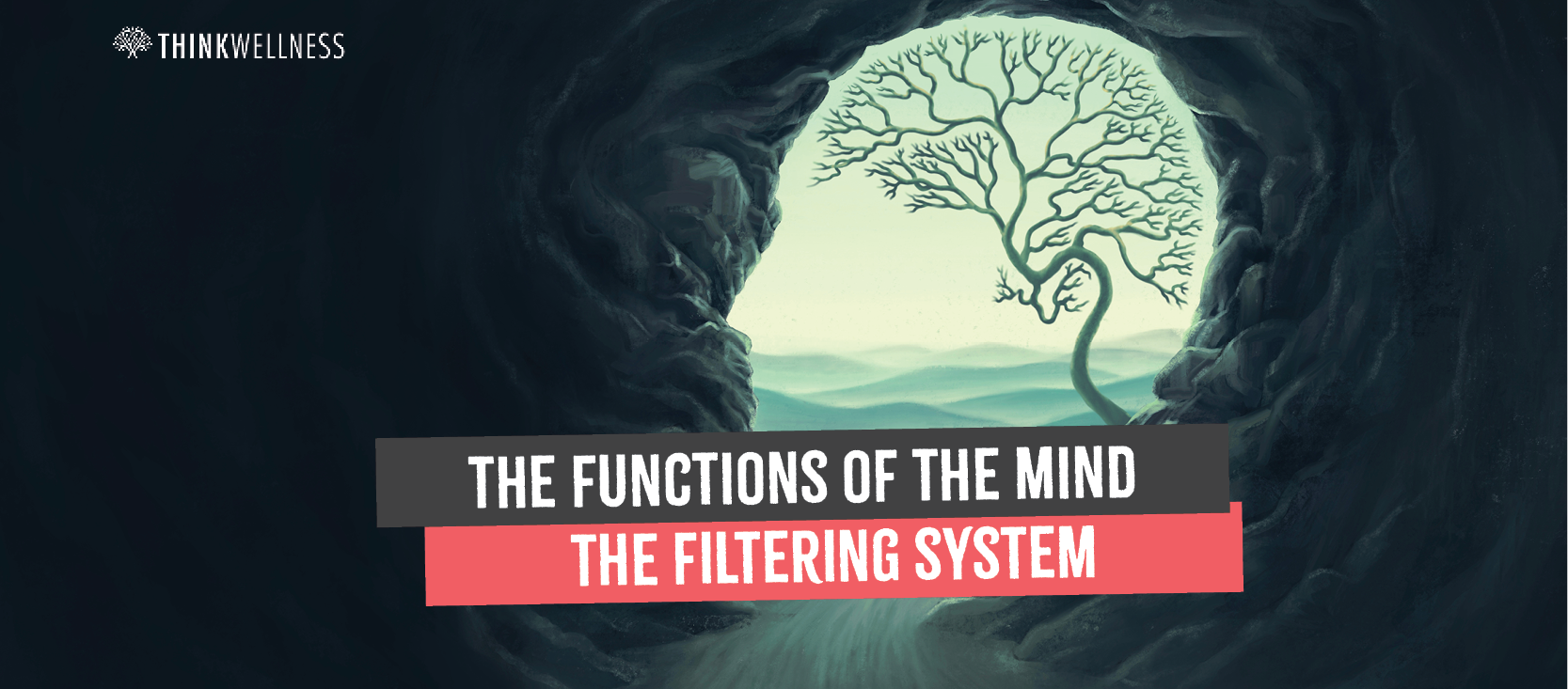
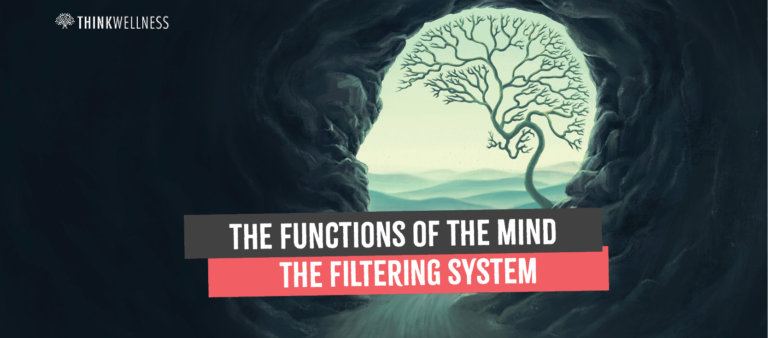
Every second, our senses take in approximately 11 million bits of information. Yet our conscious mind can only process a tiny fraction of that. NLP states that we must filter reality in order to function.
This filtering is done through three main processes:
1. DELETE
We delete information that seems irrelevant to our focus. For example:
You stop hearing background noise when you concentrate.
You stop noticing your clothes on your skin.
You overlook opportunities because your mind is not focused on them.
Deletion allows us to focus, but it also limits perception. We do not experience the world as it is — we experience the parts we pay attention to.
2. DISTORT
We distort information to create meaning. This allows us to:
Distortion is how creativity works, but also how anxiety develops. Anxiety is simply distorted imagination applied to future scenarios.
3. GENERALISE
We generalise when we take one experience and create a rule. This is efficient — it helps us learn quickly.
However, generalisation can limit growth. For example:
You fail once and conclude “I’m not good at that.”
You experience rejection and decide “People can’t be trusted.”
A child hears criticism and generalises “I’m not enough.”
These generalisations become unconscious programs that shape identity and behaviour.
CONCLUSION
To summarise:
The conscious mind sets goals.
The unconscious mind runs the programs.
The critical faculty protects existing beliefs.
The filtering system shapes our perception of reality.
When we understand these functions, we gain leverage. We can redesign internal programs, clarify communication, interrupt disempowering patterns, and install new mental strategies that support a higher quality of life.
NLP provides the tools to work directly with the unconscious mind and reshape those filters so we can perform, feel, and think at a higher level.